240 V LED Phototherapy Unit About
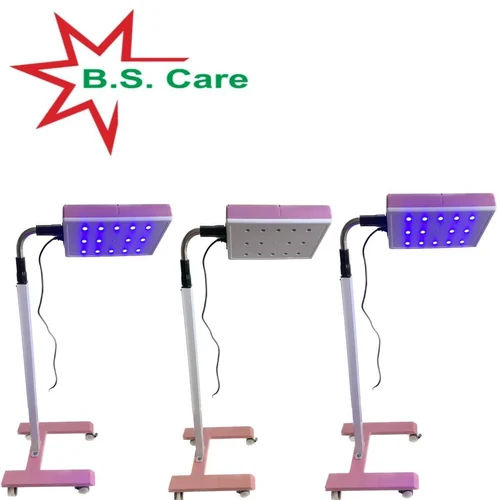
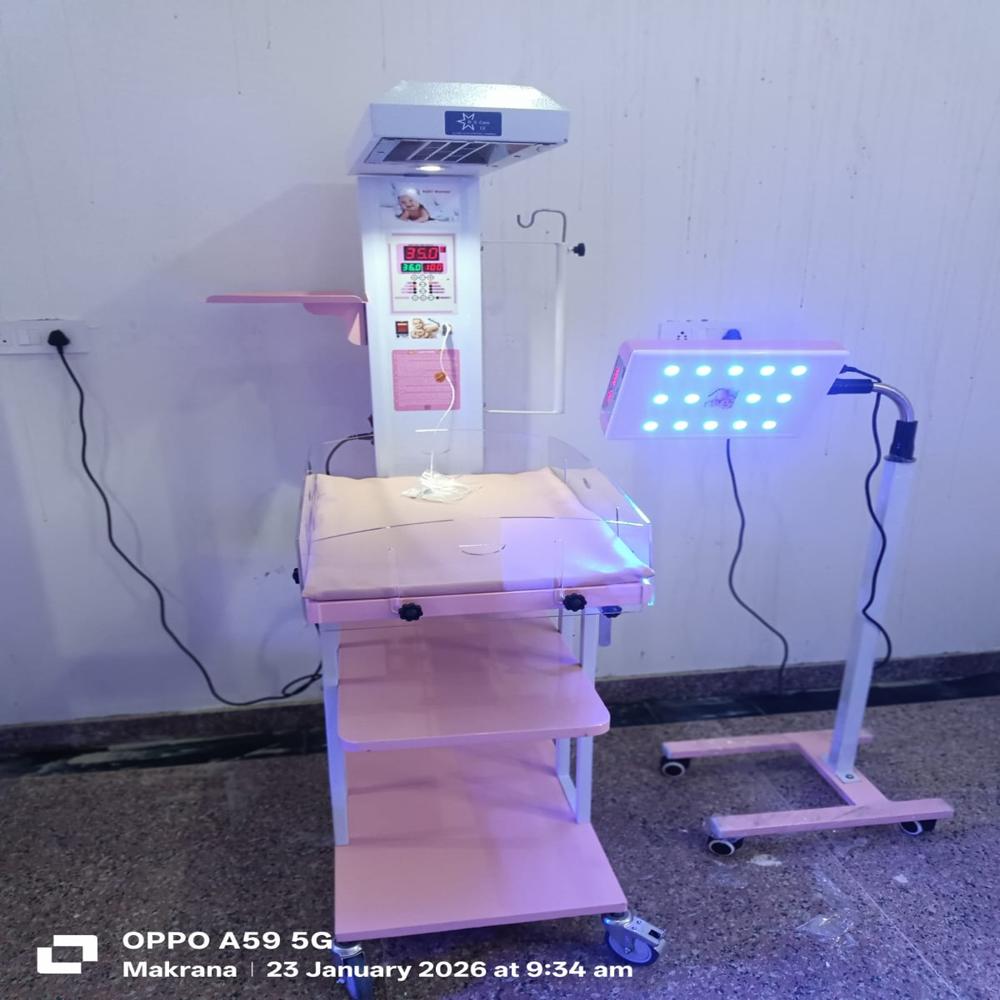
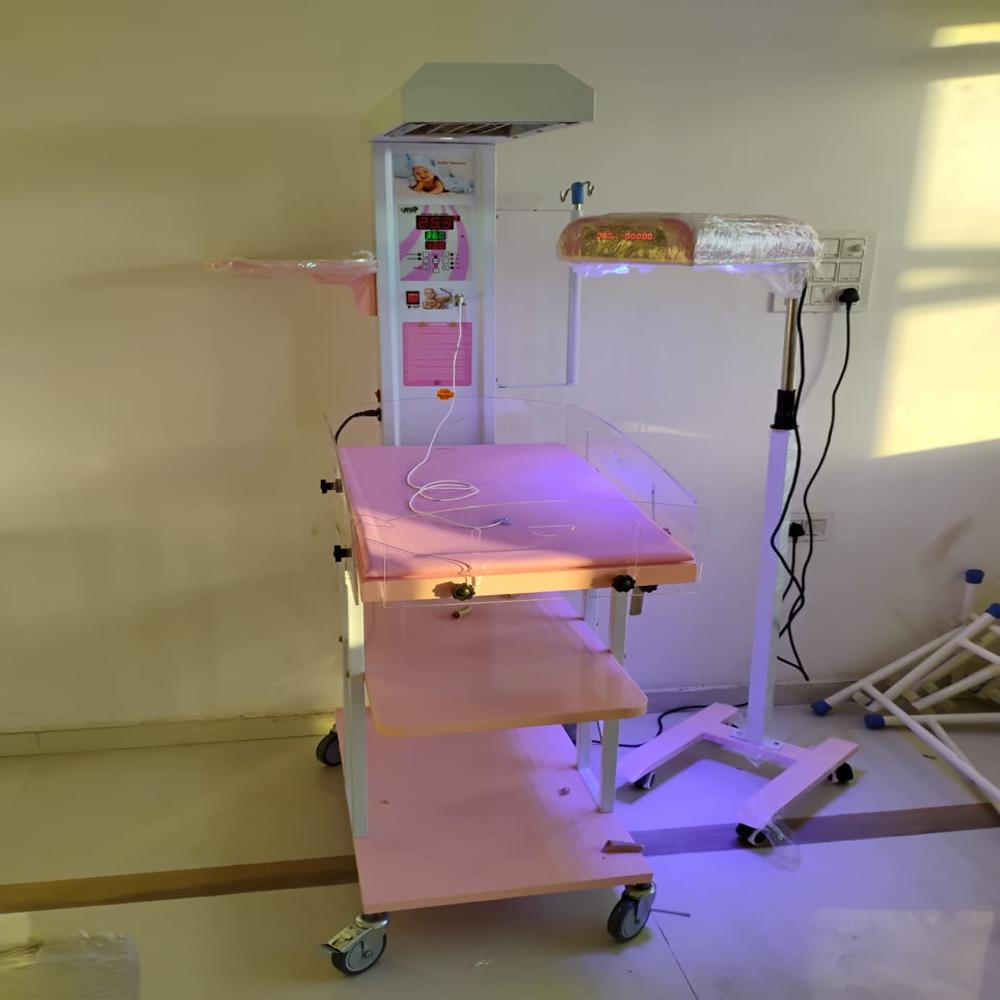
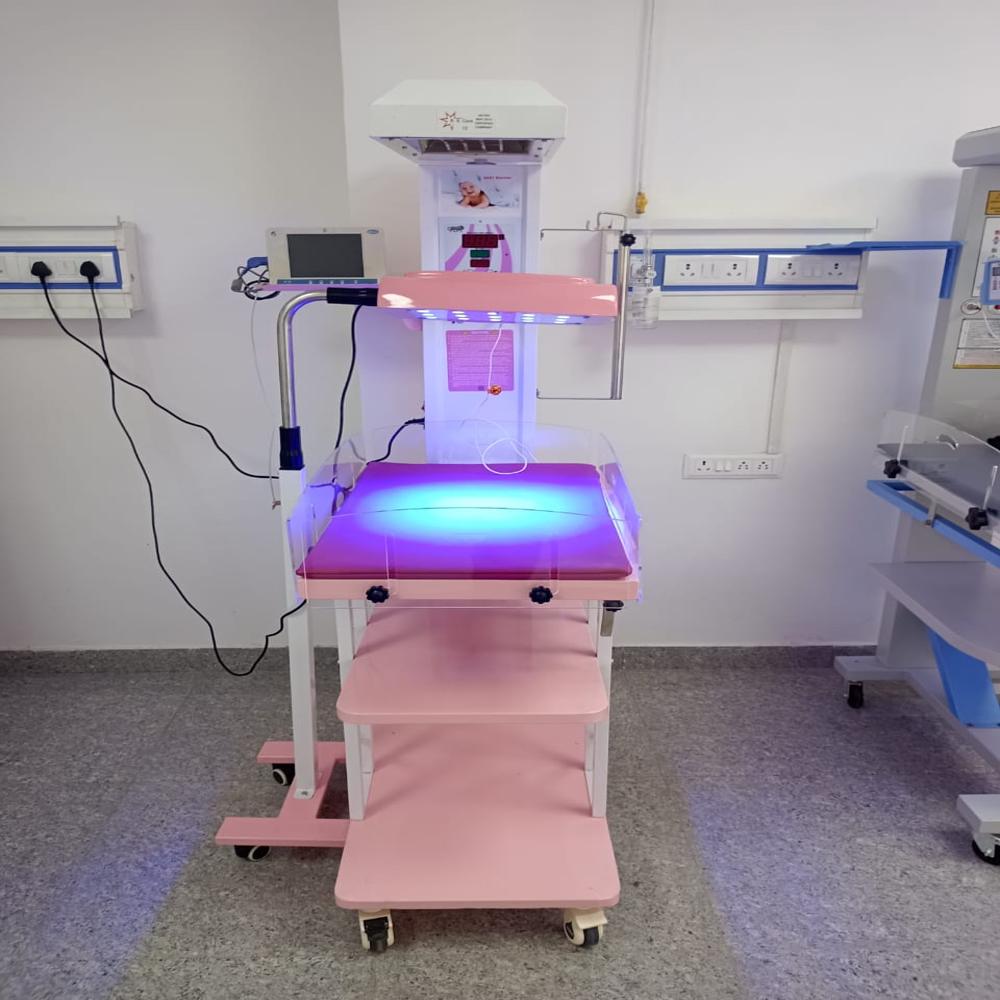
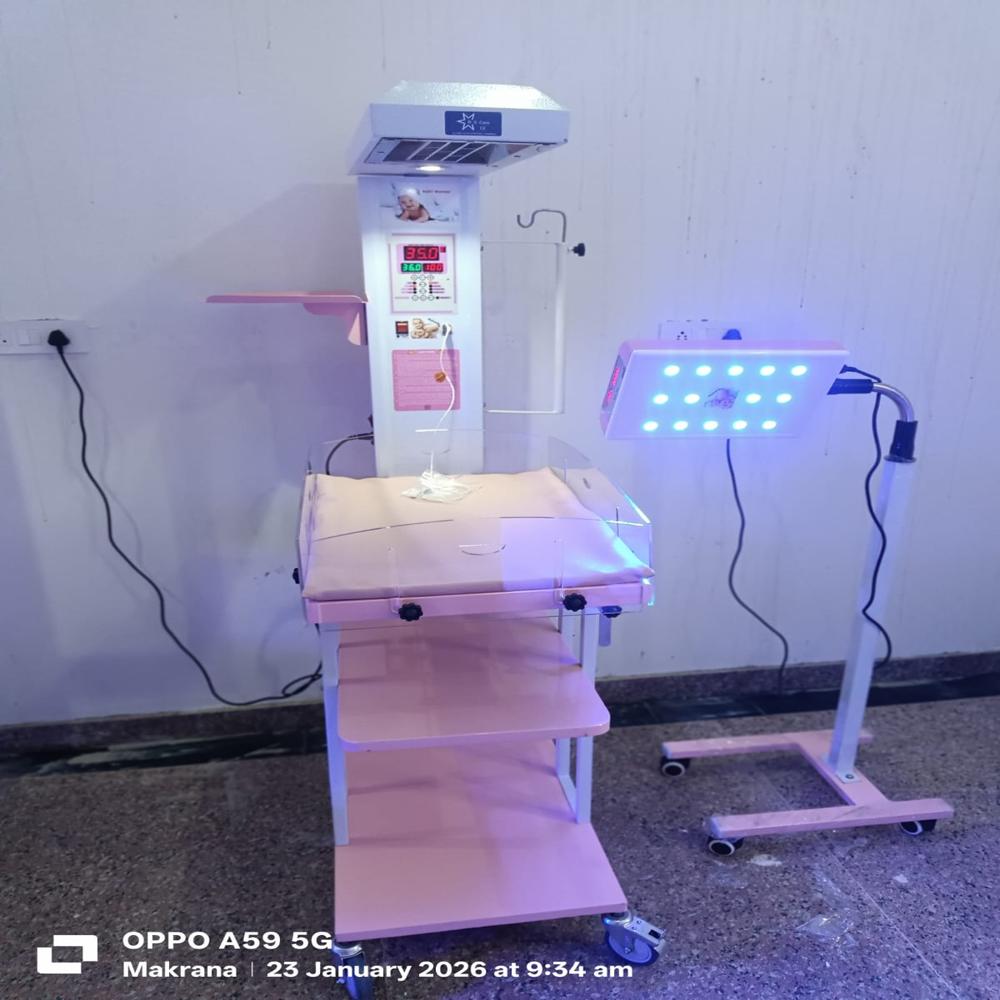
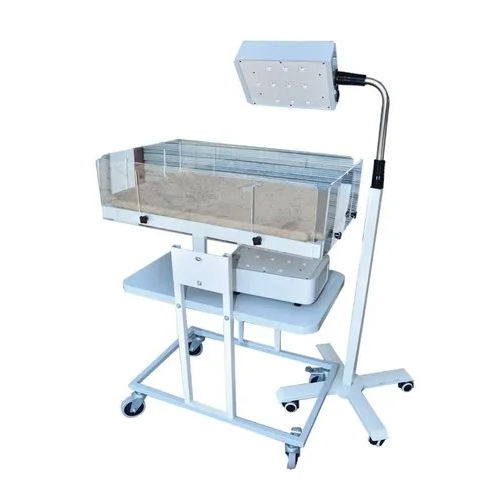
240 V LED Phototherapy Unit is a specialized medical tool that is designed to protect newborn babies from jaundice. It is designed and developed by using premium quality energy efficient light emitting diodes that deliver radiations at specific wavelengths to break down bilirubin. It requires a standard alternating voltage of 220 to 240 volts with an input frequency of 50/60 Hertz. The LED panel of this device is fixed on a rigid mild steel stand provided with caster wheels that offer high stability and makes it easier to move it easily within medical facilities. Buy from us a 240 V LED Phototherapy Unit with a minimum order quantity of 1 unit.
Advanced LED Phototherapy TechnologyDeploying state-of-the-art blue LED technology, the BS010 delivers consistent and uniform irradiance at 15 W/cm/nm. This ensures that light is precisely targeted, maximizing therapeutic benefits and patient comfort during treatment. The LED source contributes to both energy efficiency and extensive longevity, making it a cost-effective solution for hospital environments.
Flexible and User-Friendly DesignMounted on a mobile stand with manual height adjustment up to 1.5 meters, this phototherapy unit offers adaptability to different patient requirements. Its lightweight construction (7 kg) and simple mobility mean it can be efficiently repositioned for use in various hospital departments, streamlining clinical workflows and enhancing operational efficiency.
FAQ's of 240 V LED Phototherapy Unit:
Q: How does the BS010 LED Phototherapy Unit function for medical treatments?
A: The BS010 LED Phototherapy Unit emits uniform blue LED light within a wavelength range of 430-490 nm, focusing at 465 nm. This specific spectrum is effective for treating medical conditions like neonatal jaundice by breaking down excess bilirubin through photochemical reactions, thus aiding patient recovery.
Q: What are the benefits of using a LED-based phototherapy device in hospitals?
A: LED-based phototherapy devices, like the BS010, offer several advantages including longer lamp life (up to 50,000 hours), lower heat production, and consistent irradiance, ensuring effective treatment with enhanced patient safety and reduced maintenance costs compared to traditional light sources.
Q: When should the LED phototherapy unit be used in a clinical setting?
A: This device is appropriate for use whenever phototherapy is indicated, particularly in neonatal care for jaundice management. It delivers precise and controlled light exposure, making it suitable for both emergency and routine treatment in hospital environments.
Q: Where can the BS010 phototherapy unit be deployed within a hospital?
A: Owing to its mobile design and compact weight, the BS010 can be easily repositioned and used in various departments such as neonatal intensive care units, pediatric wards, and general treatment rooms wherever phototherapy is required.
Q: What is the process for adjusting the height of the phototherapy unit?
A: The BS010 features a manual adjustment mechanism, allowing healthcare staff to set the lamp height up to 1.5 meters. This flexibility helps ensure the optimal distance between the light source and patient for effective therapy.
Q: How do users benefit from the uniform blue LED light provided by the device?
A: Uniform blue LED light enhances treatment efficacy by delivering consistent irradiance across the target area, reducing treatment times and improving patient outcomes, especially in sensitive applications like infant care.


 Send Inquiry



 Send Inquiry



